
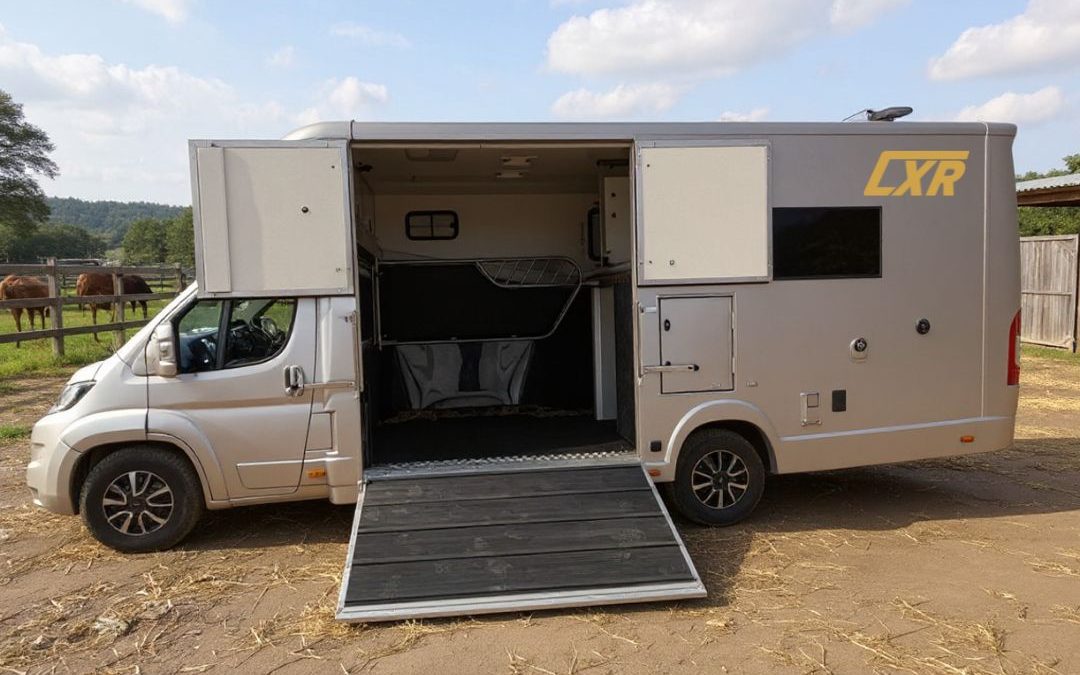
A Friendly, No Nonsense Guide for 2026
So you’re thinking about taking the plunge and buying a horsebox. No more borrowing a trailer, no more relying on a lorry driver friend, just the freedom to load up and head to a show whenever you fancy. Sounds brilliant and it genuinely can be. But before you start browsing Horsemart at midnight, it’s worth getting a clear picture of what it’s actually going to cost you. Spoiler alert: it’s more than just the sticker price.
Here’s a friendly, no-nonsense breakdown of everything you need to budget for.
First Things First: Can You Actually Drive One?
Before you even think about buying, you need to check your driving licence, because this is where plenty of people get caught out.
- Up to 3.5 tonnes – a standard Category B car licence is fine, as long as the horsebox’s Maximum Authorised Mass (MAM) doesn’t go above 3,500kg. Van conversions often fall into this bracket, but be careful: once you load a horse, hay, tack, and water, you can be pushing the limit fast.
- 5 to 7.5 tonnes – you’ll need a Category C1 licence. If you passed your car test before 1 January 1997, this is likely already on your licence (worth double-checking on the DVLA website). If you passed after that date, you’ll need to take a separate C1 test.
- Over 7.5 tonnes – a full Category C licence is required. This means a medical examination plus theory and practical tests.
Getting a C1 licence typically costs around £1,000 to £1,500 once you factor in training, theory test, and practical test fees — so worth budgeting for if you don’t already hold one.
Buying the Horsebox: What to Expect to Pay
Prices vary enormously depending on size, age, and spec. Here’s a rough guide to what the market looks like right now:
Used 3.5-tonne horseboxes
Budget examples of older van conversions can be found from around £5,000 to £10,000, while a well maintained mid-range used 3.5tonne will typically set you back £15,000 to £30,000. Brand new 3.5t coach-built models from reputable builders can easily reach £43,000 to £50,000+.
Used 7.5-tonne horse lorries
Older 7.5t lorries start from around £6,000–£15,000 (though older, high-mileage examples will need careful inspection). A decent used 7.5t in good condition with a living area will typically be £20,000–£40,000, while newer builds or luxury spec models can reach £70,000–£80,000+.
A word of warning: always get a pre-purchase inspection carried out — particularly checking the floor (rot is a major issue), the ramp, electrics and tyres. An independent check could save you thousands.
The Annual Running Costs
This is the bit people underestimate. Here’s what you’ll be paying each year once the horsebox is sitting on your driveway:
Insurance
Horsebox insurance is specialist cover — you can’t just add it to your car policy. Based on current 2025–2026 market rates:
- 5t private use: £300–£900 per year
- 5t private use: £700–£1,500 per year
- Commercial / hire and reward: often £1,500–£5,000+
Higher-value boxes with living areas tend to sit at the upper end of these ranges due to higher repair costs. Always make sure your policy covers the correct usage — getting this wrong can invalidate a claim.
Road Tax (Vehicle Excise Duty)
Road tax for a horsebox is generally reasonable. Owners regularly report paying around £185–£220 per year for 7.5t vehicles — which can actually be less than a large 4x4. For a 3.5t van-based horsebox, expect to pay in a similar ballpark depending on emissions band.
MOT / Annual Test
For vehicles over 3.5t, the annual roadworthiness test is called a Plating Test (or HGV Annual Test) rather than a standard MOT. Costs typically come in at around £70–£150 for the test itself, though any remedial work needed will be on top of that.
Servicing
Annual servicing on a horsebox lorry (especially a 7.5t) is more involved than a car. Most owners report spending £600–£1,200 per year on servicing, with costs varying a lot depending on the age and condition of the vehicle. Older lorries can throw up expensive surprises — clutches, brakes, and suspension are all common culprits.
Fuel
This is where size really matters. A 7.5t lorry is a heavy vehicle, and fuel consumption reflects that — typically 10–15 mpg on diesel, depending on the engine and load. If you’re doing regular show runs, this adds up quickly. Budget carefully based on your expected annual mileage and factor in the current diesel price.
Breakdown Cover
This is something you definitely don’t want to skip. Specialist horsebox breakdown cover (which provides for horse recovery, not just the vehicle) typically costs £150–£300 per year. Standard RAC/AA cover won’t always cover a laden horsebox, so check the small print carefully.
Storage
If you can’t park the horsebox at home, you’ll need to find secure storage. This varies hugely by location, but expect to pay anything from £50 to £200+ per month for a secure, covered space.
Hidden Costs Worth Knowing About
- Floor replacement: Arguably the single most common and expensive repair on any horsebox. A full floor replacement can run to £2,000 to £5,000 depending on size and materials. Always check the floor condition before buying, and budget for maintenance over time.
- Tyre replacement: Lorry tyres are expensive. A full set of tyres on a 7.5t can cost £800 to £1,500+.
- Living area upkeep: If your horsebox has a living area (sink, hob, heating, electrics), factor in ongoing maintenance costs for the habitation side — similar to a caravan in some respects.
- Depreciation: Like any vehicle, a horsebox depreciates. Newer, high-spec boxes lose value more quickly, while older working lorries tend to hold their value more steadily (they’ve already done their depreciation).
So What Does It All Add Up To?
| Cost | 3.5t (approx.) | 7.5t (approx.) |
| Insurance | £300–£900 | £700–£1,500 |
| Road tax | £185–£250 | £185–£250 |
| MOT / Plating test | £50–£150 | £70–£150 |
| Servicing | £400–£800 | £600–£1,200 |
| Breakdown cover | £150–£250 | £150–£300 |
| Fuel | Variable | Variable |
| Est. fixed costs/yr | ~£1,100 to £2,300/yr | ~£1,700 to £3,400/yr |
Is It Worth It?
That really depends on how often you use it. If you’re competing regularly, transporting to training yards or keeping multiple horses, having your own horsebox can absolutely make financial sense — and the convenience factor is huge. If you’re only moving horses a handful of times a year, hiring a professional transporter or borrowing a trailer might still work out cheaper.
The key is going in with your eyes open. Do your research, get a proper inspection before buying, choose the right size for your needs (and your licence!), and make sure you’ve got a realistic annual budget in place before you take the plunge.
Prices and costs cited reflect UK market data for 2025–2026. Always get personalised quotes for insurance, and check the DVLA website for the latest information on driving licence requirements.
Free Horsebox Advice
If you need any help or advice from the Chaigley Team

Chaigley horseboxes
Unit 1 Deveron Mill, Meadow Street, Great Harwood, Lancashire BB6 7EJ
Opening Hours
M-F: 8am - 6pm
chaigleyhorseboxes@gmail.com
Phone
07977 334928 or 07974 184934
Chaigley Leisure
Chaigley Campervans
Campervans | Motorhomes